Afreximbank and APPO formally established the Africa Energy Bank in Abuja on 31 October 2026. The opportunity is real, but it will reach the market through projects and procurement, not announcements. Here is how to prepare.
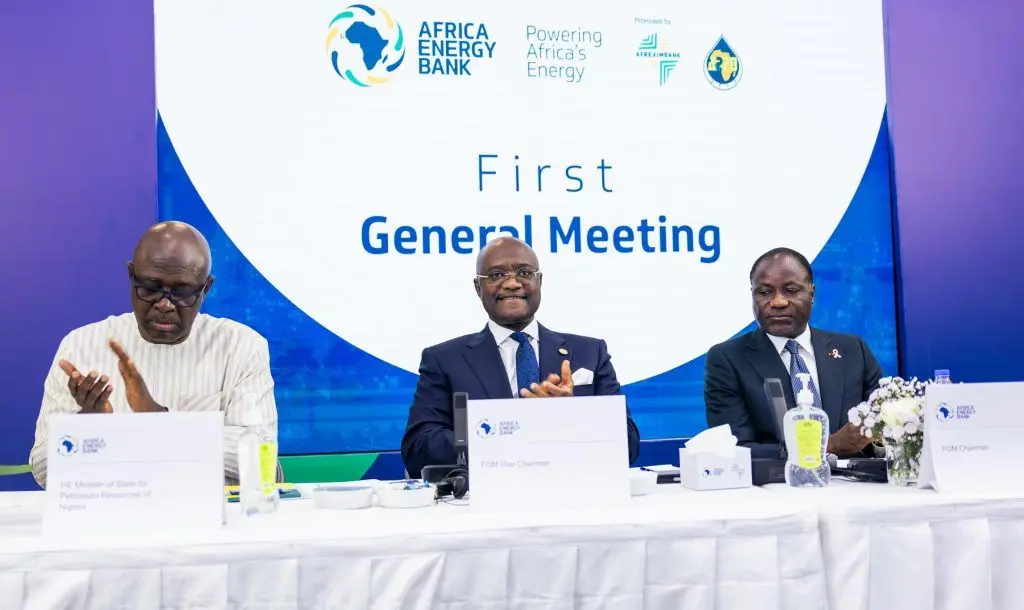
On 31 October 2026, the African Export-Import Bank (Afreximbank) and the African Petroleum Producers’ Organization (APPO) formally established the Africa Energy Bank (AEB) at its inaugural general meeting in Abuja, with authorised capital of US$5 billion (TVC News; Tribune Online, 31 October 2026). The meeting approved the bank’s first board of directors and appointed Helmy Ghazi as its first president.
The founders describe AEB as an independent, supranational, pan-African financial institution. Its mandate covers the whole energy value chain – exploration and production, transportation, processing, refining and distribution – with three stated goals: reducing Africa’s dependence on imported petroleum products, expanding intra-African energy trade and strengthening African participation in the industry (TVC News; The Rio Times). It arrives as access to international financing for oil and gas projects keeps tightening, against an estimated US$200 billion of energy investment needs across the continent (The Rio Times, November 2026).
Who is behind it, and who does what
- Afreximbank (co-founder): the Cairo-based pan-African trade bank, with over US$54 billion in total assets and contingencies and US$9 billion of shareholders’ funds at the end of September 2026 (Tribune Online), brings the banking and financial-structuring backbone.
- APPO (co-founder): the African Petroleum Producers’ Organization, founded in Lagos in 1987. Its 18 member states are the bank’s core shareholders. Secretary General Omar Farouk Ibrahim led the set-up, and PwC was hired as project-management consultant in April 2025 (Leadership; Daily Trust).
- Member states: APPO asked each of its 18 members for US$83 million (Daily Trust, April 2025). Nigeria, Angola and Ghana were the first to meet their commitments – Nigeria with US$100 million – while Algeria, Benin, the Republic of Congo, Equatorial Guinea and Côte d’Ivoire pledged contributions (Daily Trust; Leadership). Nigeria hosts the headquarters in Abuja, chosen over bids from Ghana, Algeria, South Africa and Benin (Wikipedia: Africa Energy Bank).
- Wider shareholder base: a three-tier structure – APPO member states; other African countries and their national oil companies; and investors from outside Africa (Leadership).
- Paid-in capital: about US$500 million, one-tenth of the authorised amount, according to Helen Brume, Afreximbank’s director of project and asset-based finance (Town Press, November 2026).
Energy focus and scope of execution
- Core focus – oil and gas across the value chain: upstream exploration and production, plus transport, processing, refining and distribution (World Oil, 1 November 2026).
- First priorities beyond the wellhead: regional refineries and cross-border pipelines are expected among the first investments. APPO cites the proposed Central African Pipeline System, spanning six countries (Town Press).
- Gas and power: a gas hub is reported for a later funding phase, and the mandate also covers power generation and transmission (World Oil; Wikipedia).
- Not a renewables bank: renewables are not part of the stated focus – a choice climate groups criticise over stranded-asset risk (Al Jazeera).
- Who executes: AEB is a financier, not a builder. It lends and co-finances; national oil companies and project sponsors own the projects; EPC contractors and their supply chains build and operate them. That is where suppliers and subcontractors come in.
Roadmap
- 2024: bank announced; Abuja selected as headquarters
- April 2025: Nigeria, Angola and Ghana pay in; five more countries pledge; PwC appointed
- 31 October 2026: formal establishment, first board, president Helmy Ghazi
- 2027: first investment decisions expected (Town Press; bne IntelliNews)
- Next: bring other lenders into co-financing on individual deals, and raise capital from governments, national oil companies, financial institutions and private investors
What it could mean for business
For international suppliers and contractors, and for African subcontractors, the bank could open demand in:
- Engineering, construction and infrastructure development
- Oil and gas equipment, pipelines and processing facilities
- Power generation and energy transmission
- Heavy transport, logistics and specialised industrial services
- Maintenance, fabrication, testing and technical support
For African subcontractors in particular, AEB-financed projects could be a route into larger regional programmes and international supply chains.
One distinction matters
Authorised capital is not the same as money available for lending. It is the ceiling of what shareholders may subscribe. Only about one-tenth has been paid in so far, the full shareholder list has not been published, and first investment decisions are not expected before 2027 (Town Press). AEB plans to raise further funding from governments, national oil companies, financial institutions and private investors (TVC News).
Nor does the bank’s establishment mean contracts are ready to be issued. Real opportunities will appear as financing decisions turn into specific projects, project owners launch procurement, and EPC contractors start sourcing suppliers and local partners.
What to do now
- Monitor project financing: the shareholder list, board composition and the first project approvals are the signals to watch.
- Identify likely procurement packages in the countries and segments where you can compete.
- Strengthen local partnerships before tenders open, not after.
- Understand qualification and local-content rules country by country – in Nigeria, Angola, Algeria, Egypt and beyond, they decide who can bid and with whom.
What Connectivity is monitoring
- Paid-in capital, shareholders and the first financing approvals
- The first projects AEB supports, and the national oil companies and project owners behind them
- Procurement launched by those project owners and their EPC contractors
- Local-content and partner requirements in the host countries
At Connectivity, we don’t stop at financing announcements. We track the journey from capital allocation to actual projects, procurement and local execution. The companies that prepare early, with reliable market intelligence and the right local connections, will be best placed when the opportunities become concrete.
Get ready for Africa Energy Bank-financed projects. Tell us your products, services and target countries, and we will show you where the first opportunities are likely to emerge, and who you need on the ground.
Photo: Afreximbank / Africa Energy Bank