Why Transportation is the World’s Circulatory System
When you business at international level, transportation is not as a series of discrete modes (trucks, ships, planes, trains), but as a single, integrated, and fragile global network. When one part fails, the whole system feels it. And in a world of just-in-time delivery, e-commerce expectations, and climate pressure, transportation is the difference between growth and stagnation.
Transportation is to the economy what the circulatory system is to the human body. If the arteries are blocked, the body dies. If a port is clogged, a factory closes. If a railway fails, crops rot. Your business may not be a transportation company, but you are entirely dependent on transportation. And that dependency is becoming more complex, more fragile, and more strategic every day.”
Transportation has moved from logistics to strategic advantage that we can help you master and gain steps ahead from your competition.
In a world where customers expect delivery in hours, not days, and supply chains span continents, your transportation strategy is your competitive strategy.
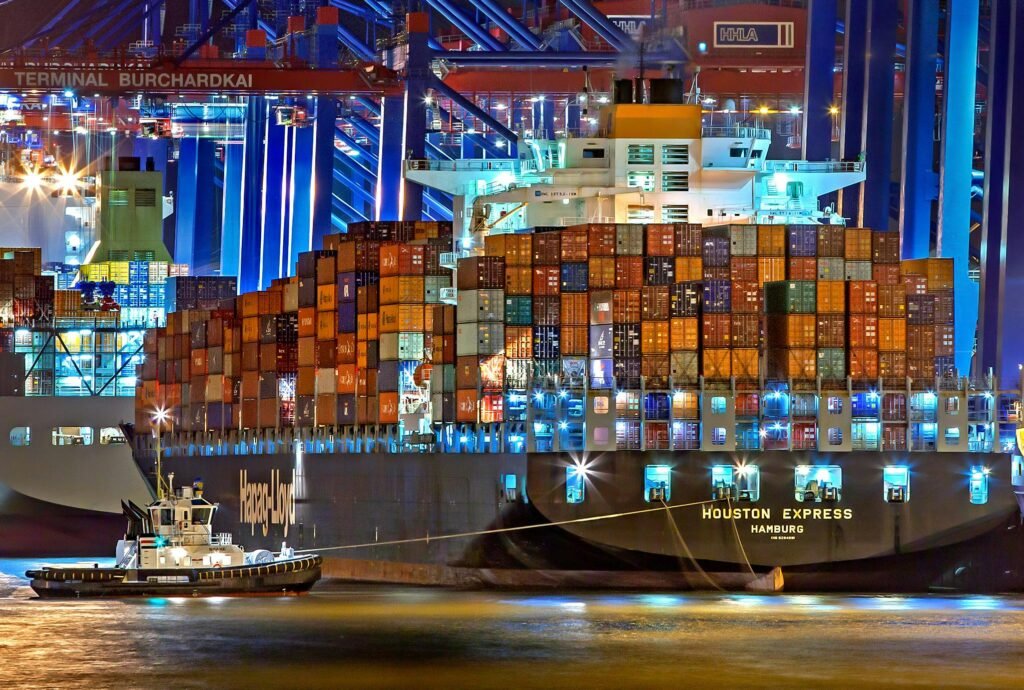
The Rise of “Transportation Hubs” (Not Just Countries)
For decades, transportation power meant having a strong national airline, a major port, or a robust rail network. Today, success is about connectivity—how well you link to the global network.
Before it was: A country like the US dominated because of its vast highway system and strong railroads.
Now it is : A small country like Singapore dominates because it is the world’s most connected port and airport hub. The UAE (Dubai) connects East and West. Panama connects two oceans. The asset is no longer size; it is location and connectivity.
think of it in terms of corridors and hubs, not just countries. A factory in landlocked Africa is only as valuable as the port it connects to.
B. The “Multi-Modal” Imperative
Transportation is no longer about choosing between truck, train, ship, or plane. It is about orchestrating all of them seamlessly.
A company shipped goods by sea because it was cheap, or by air because it was fast.
Now a single shipment might travel by truck to a railhead, by train to a port, by ship across an ocean, and by drone for the final mile. The winners are those who can manage this complexity without losing the package.
You can no longer afford to think in silos. A trucking company must understand shipping. A railroad must understand last-mile delivery. The boundaries are gone.
The Technology Layer: Transportation as a Data Problem
Transportation is no longer about moving atoms; it is about moving bits that control the atoms.
Telematics: Every truck, container, and ship is now a data-generating device.
Predictive Analytics: AI predicts maintenance needs, reroutes shipments around weather, and optimizes fuel consumption.
Autonomous Vehicles: Self-driving trucks, automated port cranes, and drone deliveries are no longer science fiction.
Technology companies (Google, Amazon, Tesla, Siemens) are now transportation companies. Transportation companies are now technology companies. If you are not collecting and using data, you are already behind.
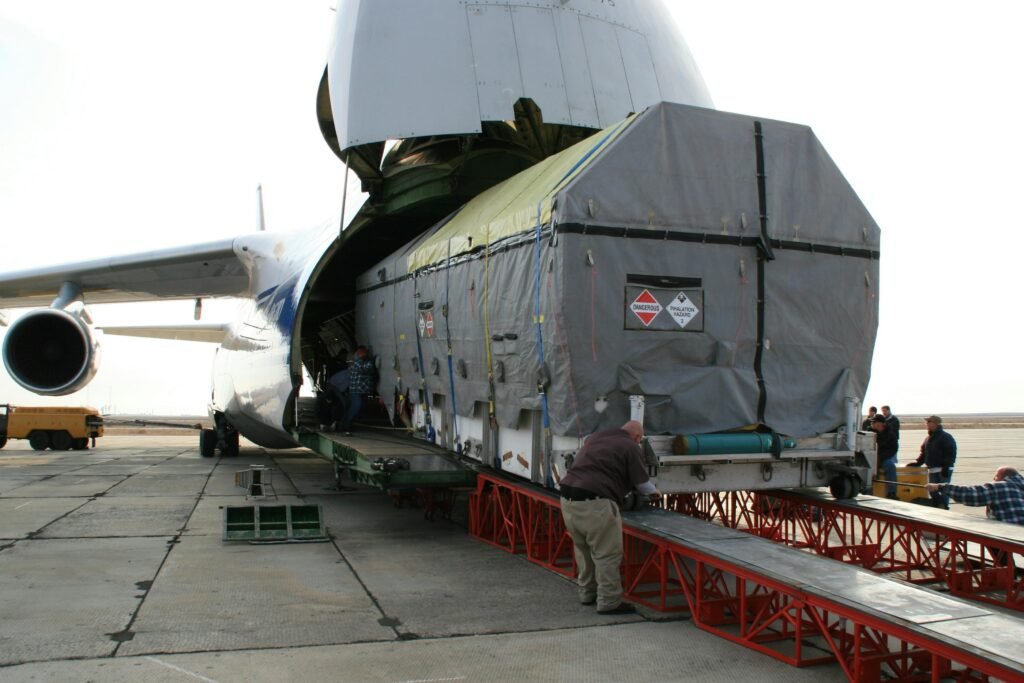
Sector-by-Sector: How Transportation is Interconnected
Use these examples to show your clients that transportation touches their industry, no matter what it is.
A. Retail & E-Commerce: The “Amazon Effect”
Retail has been completely transformed by transportation expectations.
Customers now expect “free” shipping and delivery in 24 hours. This has forced retailers to build massive, complex logistics networks just to survive.
Retailers are no longer just selling products; they are managing transportation networks. If you are in retail, you are now in the transportation business, whether they like it or not.
B. Manufacturing & Industry: Just-in-Time (JIT) Vulnerability
Modern manufacturing depends on parts arriving exactly when needed. There is no warehouse buffer.
A delay of one day at a port can shut down a factory for a week. The semiconductor shortage showed how fragile this system is.
Opportunity: Manufacturers must now map their entire transportation chain, identify single points of failure, and build resilience through redundancy and multi-sourcing.
C. Agriculture & Food: The Cold Chain
The global food supply depends entirely on transportation infrastructure.
The Need: Perishable goods (fruit, vegetables, meat, fish, flowers) must move from farm to table without breaking the “cold chain.” A single temperature breach can spoil an entire shipment.
Opportunity: Agribusinesses must invest in specialized refrigerated transport (reefers) and real-time monitoring to ensure food safety and reduce waste.
D. Healthcare & Pharmaceuticals: The Lifeline
The COVID-19 vaccine rollout was the largest transportation logistics operation in history.
The Need: Vaccines, medicines, and blood products require precise temperature control and security. They must move from manufacturer to patient without fail.
Opportunity: Pharmaceutical companies are now major clients of specialized logistics providers. Cold chain logistics is a high-growth, high-stakes sector.
E. Energy & Mining: Moving the Heavy Stuff
Oil, gas, coal, and minerals are useless if they cannot be moved to market.
The Need: Pipelines, tankers, rail cars, and bulk carriers are the arteries of the energy industry. Without them, the global economy stops.
Opportunity: Energy companies are deeply invested in transportation infrastructure. Pipelines need maintenance. Ports need deepening. Rail lines need upgrading.
F. Finance & Insurance: Underwriting the Risk
Every shipment is a financial transaction and an insurance risk.
The Need: Cargo insurance, hull insurance, liability coverage, and trade finance all depend on the safe and predictable movement of goods.
Opportunity: Financial institutions must understand the risks of modern transportation—piracy, weather, geopolitical instability, cyberattacks—to properly price insurance and finance trade.
G. Tourism & Hospitality: Moving People
Transportation is the tourism industry. Without planes, trains, and cruise ships, there is no hospitality sector.
Airlines, railways, and cruise lines need to be safe, efficient, and affordable to attract travelers.
“Your business is entirely dependent on transportation. You may not own a single truck or ship, but if a port closes, if a rail line floods, if a trucker strike happens, your revenue stops. The pandemic taught us that global transportation is incredibly fragile. Yet most businesses treat it as a commodity—something they buy at the lowest price. That is no longer safe. You need to understand your transportation dependencies, map your risks, and build resilience into your supply chain. We help you do that.“
“Here is the reality: transportation is being disrupted by technology, climate change, and geopolitical shifts all at once. Autonomous vehicles, electric fleets, drone delivery, and new trade routes are creating massive opportunities for those who can adapt. But adapting is hard. It requires understanding complex regulations, investing in new technology, and building partnerships across borders. That is where we come in. We help our clients navigate this disruption—to turn transportation from a cost center into a competitive advantage.”
“Transportation is the circulatory system of the global economy. When it works, we don’t notice it. When it fails, everything stops. Your business runs on transportation, whether you are a retailer, a manufacturer, a farmer, or a hospital. The old ways of managing logistics—as an afterthought, as a commodity—are over. Today, transportation is a strategic function that determines your ability to compete. Our job is to help you see the full picture: the risks, the opportunities, and the strategies that will keep your business moving, no matter what the world throws at you.”