“Infrastructure used to be something governments built and citizens took for granted. Today, it is the world’s most complex asset class—a mix of physical assets, digital networks, and financial engineering. If your business relies on electricity, data, transport, or water (and every business does), you are not just a user of infrastructure; you are a stakeholder in it.”
The Shift happened in the way that Infrastructure has moved from public works to strategic asset.
In a world of climate change, urbanization, and digital dependency, resilient infrastructure is the difference between business continuity and catastrophic failure.
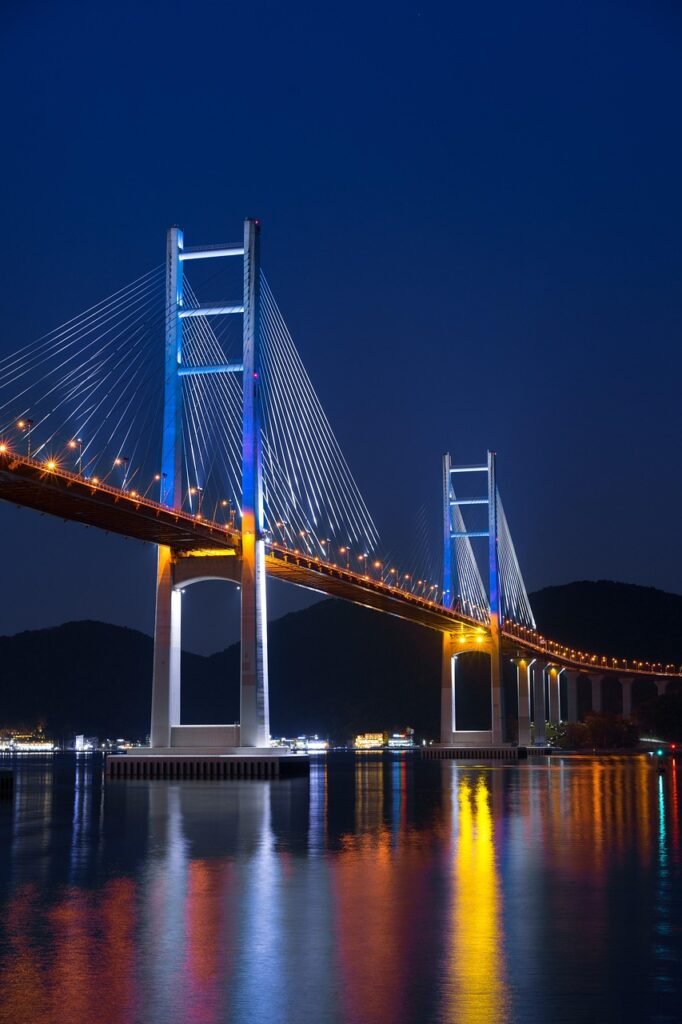
A. The Rise of “Infrastructure Nations” (New Builders)
For decades, infrastructure expertise was concentrated in the West (USA, Europe, Japan). Today, the biggest builders, the biggest projects, and the biggest innovations are coming from new players.
China: Through the Belt and Road Initiative (BRI), China has become the world’s largest infrastructure financier and builder, operating in over 140 countries. Chinese firms build ports in Pakistan, railways in Kenya, and dams in South America.
Turkey: Turkish construction companies are now global giants, building airports, bridges, and hospitals across Eastern Europe, the Middle East, and Africa.
Gulf States (UAE, Saudi Arabia): With projects like NEOM and massive airport expansions, the Gulf is not just building for itself; its firms and capital are exporting expertise globally.
India: India is rapidly scaling its infrastructure capacity, becoming a key player in neighboring countries (Nepal, Bhutan, Sri Lanka, Bangladesh, Myanmar, Maldives) and beyond.
We cannot just look to traditional Western engineering firms. The next major infrastructure project in their region might be built by a Turkish contractor, financed by Chinese banks, and using steel from India.
B. The “Infrastructure Stack” is Borderless
A modern infrastructure project is a global assembly of capital, expertise, and materials.
Before it was : A country built its own roads with its own materials and its own engineers.
Now things stand at: A highway in Africa might be designed by an American engineering firm, financed by a European bank, built by a Chinese contractor, using asphalt from the Middle East, and equipped with tolling technology from South Korea.
You must think in terms of global supply chains and international partnerships, even for “local” projects.
C. The Convergence of Physical and Digital (Smart Infrastructure)
Infrastructure is no longer just about moving things; it is about moving data.
A “road” is now a data-collection platform (traffic sensors, charging roads for EVs).
A “grid” is now a two-way digital network managing renewable energy from thousands of sources.
A “port” is now a logistics control tower using AI to optimize container movement.
Tech companies (Google, Siemens, Huawei, Cisco) are now infrastructure companies. Telecom providers are now infrastructure builders (5G towers, fiber networks). The lines are completely blurred.
A. Energy & Mining: Powering the Transition
The global shift to renewable energy is the largest infrastructure project in human history.
The Need for Solar farms, wind parks, battery storage facilities, and a completely rebuilt electrical grid to handle intermittent power sources is greater than ever.
The opportunity for you if you are in mining (copper, lithium, cobalt), these are now a critical supplier to the energy infrastructure boom. If they are in finance, they are funding it.
B. Technology & Telecommunications: The Digital Layer
The internet is infrastructure. 5G is infrastructure. Data centers are infrastructure.
Every country is racing to build out digital infrastructure to attract business and talent. Undersea cables, satellite networks (Starlink), and edge computing centers are as vital as roads.
Tech firms are now infrastructure developers. Infrastructure developers are now tech firms. The convergence is complete.
C. Logistics & Supply Chain: The Arteries of Trade
Ports, railways, highways, and airports are the physical network that moves global commerce.
The Need: Post-pandemic, every country realizes its supply chain is only as strong as its weakest infrastructure link. Ports must deepen, railways must electrify, and roads must be reinforced.
Opportunity: Logistics companies are not just users of infrastructure; they are investors and operators, often taking over port terminals and rail lines through public-private partnerships (PPPs).
D. Agriculture & Water: The Life Support Systems
Infrastructure is not just about transport; it is about survival.
The Need: Dams for irrigation, desalination plants for drinking water, cold storage facilities to prevent food waste, and grain silos to ensure food security.
Opportunity: Agri-businesses are increasingly investing in their own “mid-mile” infrastructure to bypass unreliable public systems. This creates opportunities for specialized construction and management.
E. Finance & Insurance: The Capital Behind the Build
Infrastructure is the world’s largest asset class, and it is hungry for capital.
The Need: Pension funds, sovereign wealth funds, and private equity are pouring trillions into infrastructure because it offers stable, long-term returns.
Opportunity: Financial institutions need advisors who understand the risks (political, environmental, construction) of cross-border infrastructure investment. Insurance companies need to underwrite those risks.
F. Healthcare & Social Infrastructure: The New Priority
The pandemic revealed that hospitals are critical infrastructure. So are schools, affordable housing, and elderly care facilities.
The Need: Aging populations in the West require new healthcare infrastructure. Growing populations in the Global South require schools and housing.
Opportunity: Social infrastructure is now a major asset class, blending public need with private capital through PPPs.
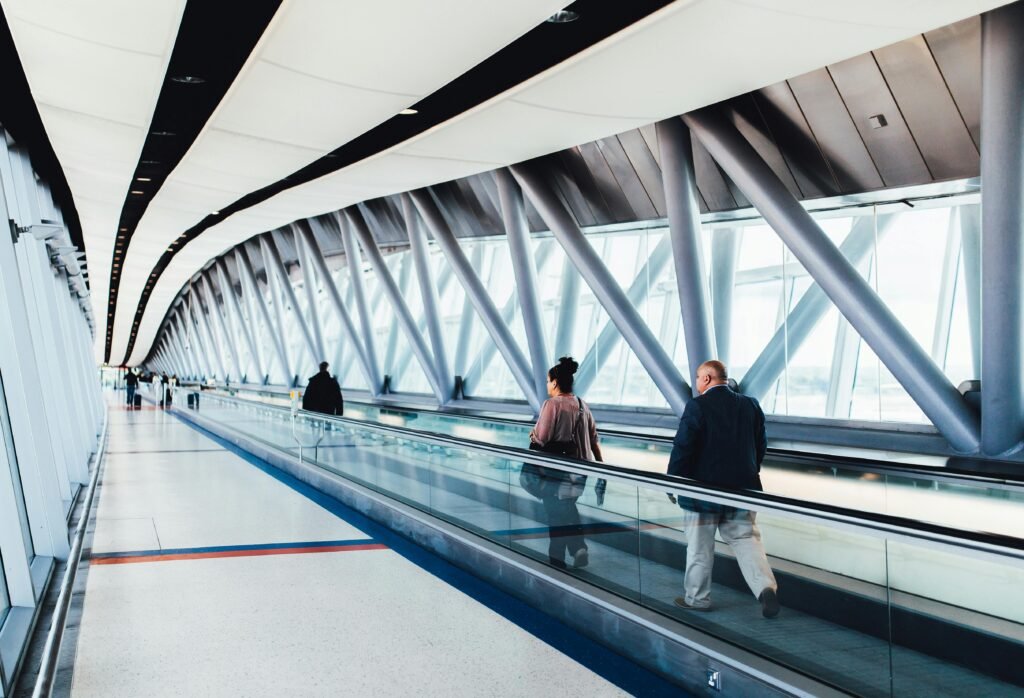
When you speak to clients, frame this as a problem of fragmentation, risk, and opportunity that only an international consultant can solve.
“Infrastructure is the foundation of your business. If the power grid fails, you stop. If the ports are clogged, your supply chain stalls. If the digital network goes down, you lose revenue. Yet, most businesses treat infrastructure as someone else’s problem. That is no longer possible. You need to understand the fragility of the systems you depend on and have contingency plans that cross borders. A blackout in one country can halt production in another. You are more exposed than you think.”
“There is a $15 trillion infrastructure gap globally by 2040. That means $15 trillion worth of projects—roads, ports, grids, data centers—that need to be built. But here is the challenge: these projects are global. A European pension fund wants to invest in an African port but doesn’t understand the political risk. A Chinese contractor wants to build a highway in South America but doesn’t understand the labor laws. A government wants to attract private capital but doesn’t know how to structure a deal. That gap—between capital, expertise, and execution—is where we operate. We help our clients navigate the complexity of cross-border infrastructure development, from conception to completion.”
“Infrastructure is the invisible backbone of everything you do. It is no longer just about concrete and steel; it is about data, energy, logistics, and resilience. And no single country builds it alone anymore. The projects are global, the capital is global, and the risks are global. Our job is to help you see the infrastructure landscape clearly—to identify the opportunities, mitigate the risks, and ensure that the systems you depend on are strong enough to support your growth for decades to come.”