The New Roadmap: Why the Automotive Industry is Everyone’s Business (Literally)
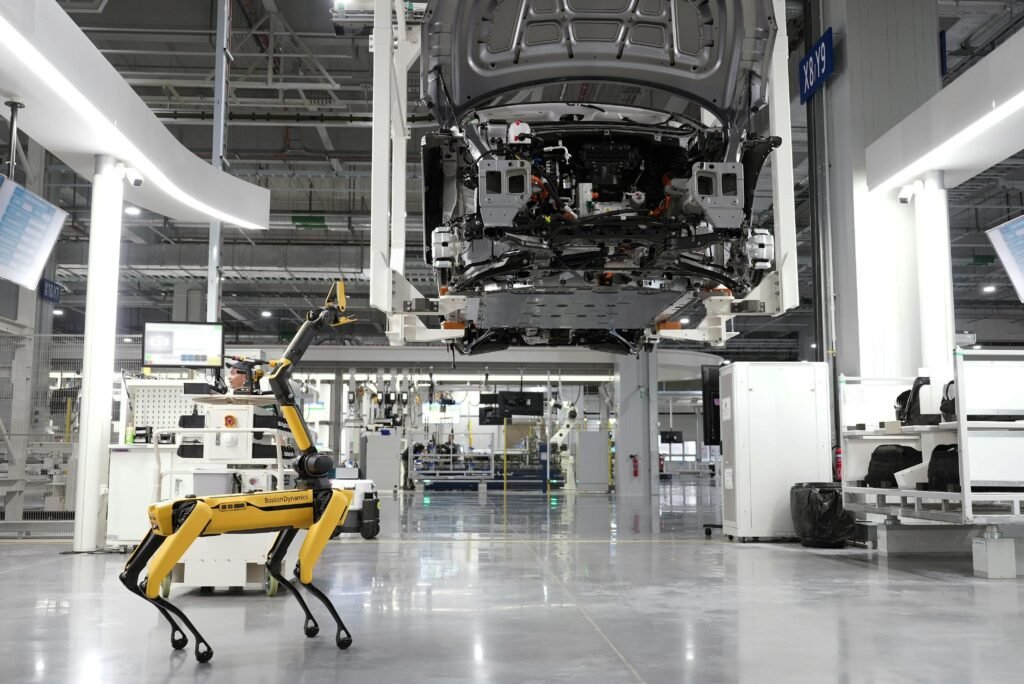
“There is currently a massive void. Traditional automakers don’t understand software. Tech companies don’t understand manufacturing. Mining companies don’t understand battery chemistry. Governments are scrambling to write regulations for technology that moves faster than legislation. That void is where we operate. We help each of these sectors speak the other’s language and build partnerships that work.”
“The days of a simple supply chain are over. Your competitors are trying to source materials from South America, assemble in Eastern Europe, and sell in Asia—all while navigating different tariffs, labour laws, and environmental regulations. If you don’t have a strategy that accounts for this complexity, you will face delays, fines, and reputational damage.”
Today the automotive industry is a convergence point of manufacturing, technology, energy, and data. The days when a single country (Japan, Germany, or the USA) dominated production are over. Today, no single nation builds a car alone.
We can agree that the idea that cars are ‘German,’ ‘Japanese,’ or ‘American does not exist anymore. A single vehicle today contains steel from Korea, chips from Taiwan, software from Silicon Valley, lithium from Chile, and assembly in Mexico or Eastern Europe or North Africa. The automotive industry has become a global web of dependencies. If your business touches logistics, raw materials, software, or labour, you are already in the automotive supply chain whether you realize it or not.”
The Shift is that Automotive has moved from national pride to global puzzle.
Because production is so fragmented, the industry is highly vulnerable to disruption (geopolitics, shipping delays, tariffs). This creates a massive need for guidance of experts who can navigate that complexity, and this is why we are here.
Countries that never built a combustion engine are becoming leaders in the Electric Vehicle (EV) revolution.
China is now the world’s largest auto market and a leader in EV battery production.
Southeast Asia (Thailand, Indonesia) is becoming a hub for EV manufacturing, moving beyond simple parts assembly.
India is scaling rapidly as both a market and an export hub for small cars and components.
We cannot just look to Detroit or Wolfsburg anymore. The next major innovation or competitor will likely come from a “non-traditional” automotive country.
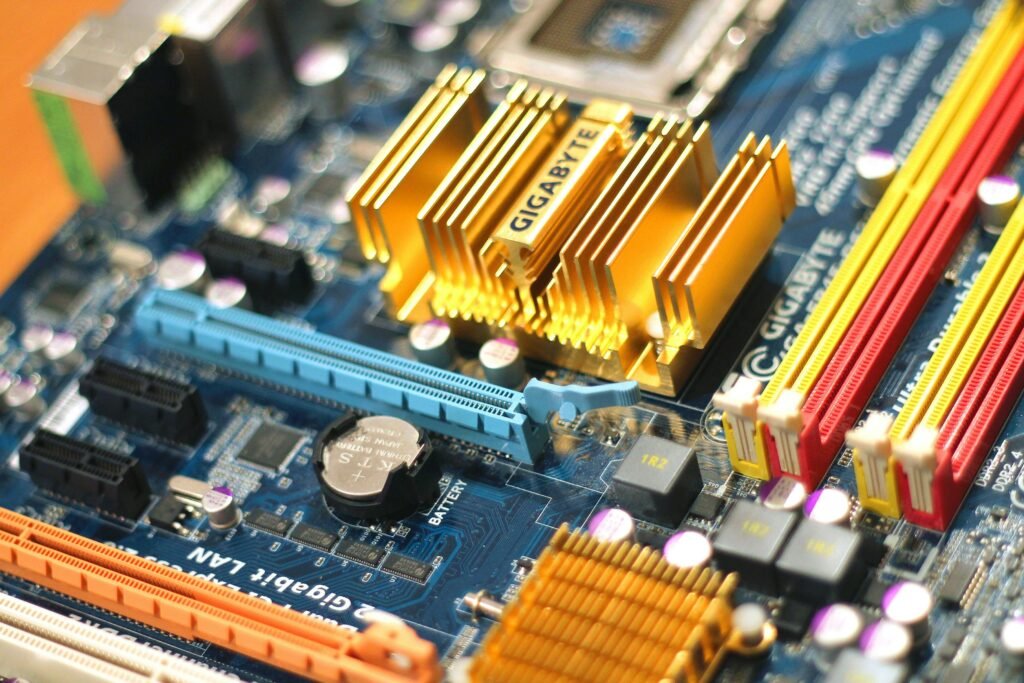
The “Software-Defined Vehicle” (The Tech Invasion)
Cars are now “smartphones on wheels.” The value of a vehicle is no longer just in the engine, but in the code.
A car’s software might be developed in Taiwan, its sensors in the Netherlands, and its cloud connectivity managed from the US West Coast.
This has forced traditional automakers to partner with tech giants (Google, Apple, NVIDIA, Qualcomm), blurring the lines between sectors.
The Implication is that if you arein the tech sector, automotive operators are your clients, and vice versa. The walls are gone.
Energy & Mining: The Battery Revolution
The shift to EVs has turned automakers into the world’s biggest buyers of minerals.
The Need of Lithium, cobalt, nickel, and copper are the new “oil.” Automakers are now investing directly in mines and refining capacity to secure supply.
The opportunity If you are in mining or energy infrastructure, you are now a critical partner to the automotive industry.
Technology & Telecommunications: 5G on Wheels
Modern cars are constantly connected. They need 5G, cloud computing, and over-the-air (OTA) update capabilities.
The Need of Automakers to telecom infrastructure to keep cars updated and to enable autonomous driving features is greater than ever.
Logistics & Shipping: The Complexity of “Just-in-Time”
A modern car factory needs parts arriving from 50+ countries in a precise sequence. A delay of one hour of a sensitive part can shut down a billion-dollar plant.
The need you might have forSpecialized logistics planners who understand automotive sequencing, port management, and air freight for critical parts is like oxygen, we can assist you in the build-up of a strategic secure supply chain networks tailored for your specific needs and operations.
Infrastructure & Construction: Building for the EV World
The shift to electric requires a complete rebuild of public infrastructure.
The Need of Charging stations, grid upgrades, and battery recycling plants are needed globally. No this is not futuristic, it is already on the tables of Beijing, Jakarta, Seoul and others. Governments are spending billions on this transition.
Finance & Insurance: New Models for a New Asset
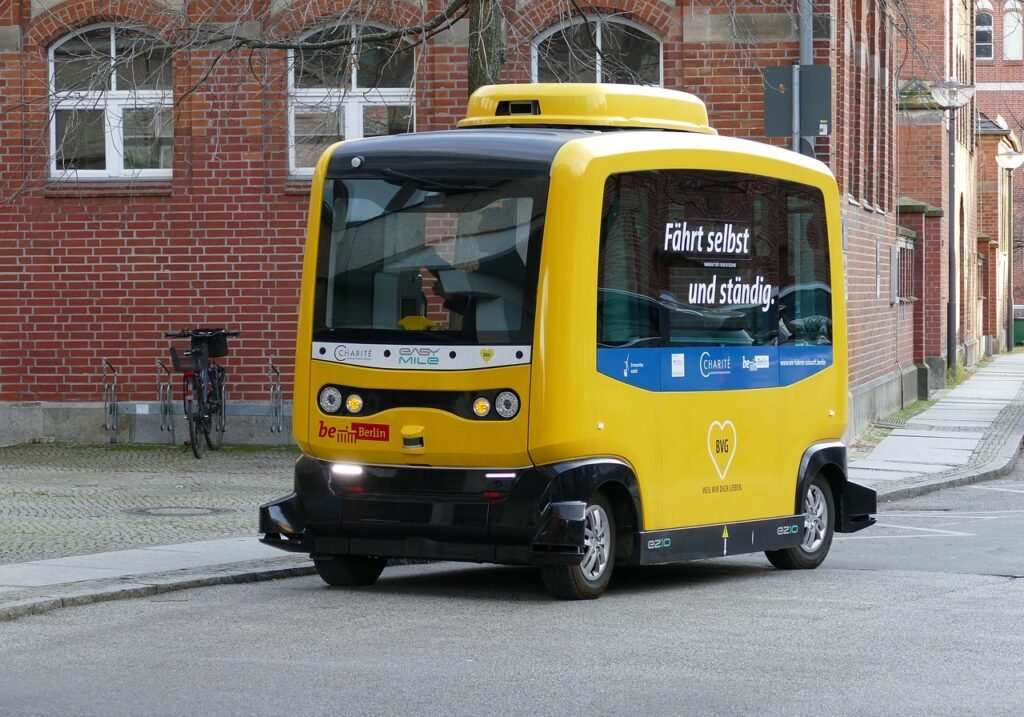
How do you insure a car that drives itself? How do you finance a battery that degrades over time?
If you are in the financial sector, the Need to new financial products for battery leasing, usage-based insurance, and cybersecurity liability is booming now.
“The automotive industry is no longer a single industry. It is a convergence of energy, technology, logistics, and finance. No one country holds all the cards anymore, which means success belongs to those who can navigate the global complexity. Our job is to be your navigator—helping you find the right partners, enter the right markets, and build the supply chains that will survive the next decade.”